
Posted on

Overfishing And Why It Hurts

Overfishing And Why It Hurts

Overfishing is a growing concern for our oceans and the ecosystems that rely on them. While fishing can be a great way to enjoy the outdoors, provide food for your family, and connect with nature, it’s important to understand the negative impacts of overfishing and take steps to reduce them. In this article, we’ll explore the negative effects of overfishing in saltwater, with a focus on the southeastern coastal waters, and provide tips for practicing sustainable fishing.

First, let’s define overfishing. Overfishing occurs when fish are caught at a rate faster than they can reproduce, leading to a decline in population sizes and potential extinction. This can have a ripple effect throughout the entire ecosystem, as fish are an important food source for many other species. Overfishing can also result in the loss of biodiversity, changes in the food chain, and the destruction of habitats.

In southeastern coastal waters, overfishing has had a significant impact on many species nearshore and inshore, like red snapper, black sea bass, and grouper for example. These species are highly valued by recreational and commercial fishermen, which has led to their overfishing. Additionally, bycatch (the unintended capture of non-target species) can also be a problem in these waters, leading to the depletion of other species and the destruction of habitats. Redfish, Trout, and Flounder also are senstive to overfishing.

To combat overfishing and its negative effects, there are several steps that anglers can take. One approach is to consider not limiting out every time you go fishing. While it can be tempting to take home as many fish as possible, this can contribute to overfishing and harm the ecosystem. Instead, consider only keeping what you need for a meal or two, and release the rest back into the water. If you’re throwing out freezer fish you’re probably overfishing.

Another important step is to release fish over 20 inches in length, this is particualy important to inshore species mentioned earlier (redfish, trout, and flounder). The larger fish are typically older and more valuable for the population, as they have had more time to reproduce and contribute to the ecosystem. Additionally, by releasing larger fish, you are allowing them to potentially spawn more and increase the population size.

It’s also important to release bycatch. While some species may be considered “trash” fish, every species has a role to play in the ecosystem. Releasing bycatch can help to maintain a healthy balance of species in the ecosystem and prevent the depletion of non-target species.

Finally, consider using sustainable fishing practices such as circle hooks, which are designed to reduce the incidence of deep hooking and allow for easier release of fish. Additionally, using artificial lures instead of live bait can help to reduce the unintended capture of non-target species.

In conclusion, overfishing is a significant problem in southeastern coastal waters and can have negative effects on the ecosystem. By taking steps to practice sustainable fishing, such as not limiting out every time, releasing larger fish, releasing bycatch, and using sustainable fishing practices, anglers can help to reduce the negative impacts of overfishing and contribute to a healthier ecosystem. Let’s all do our part to preserve our oceans and the species that call them home.
Posted on

Catch and Release Fishing Is Not Harmful If Properly Performed

Catch and Release Fishing Is Not Harmful If Properly Performed

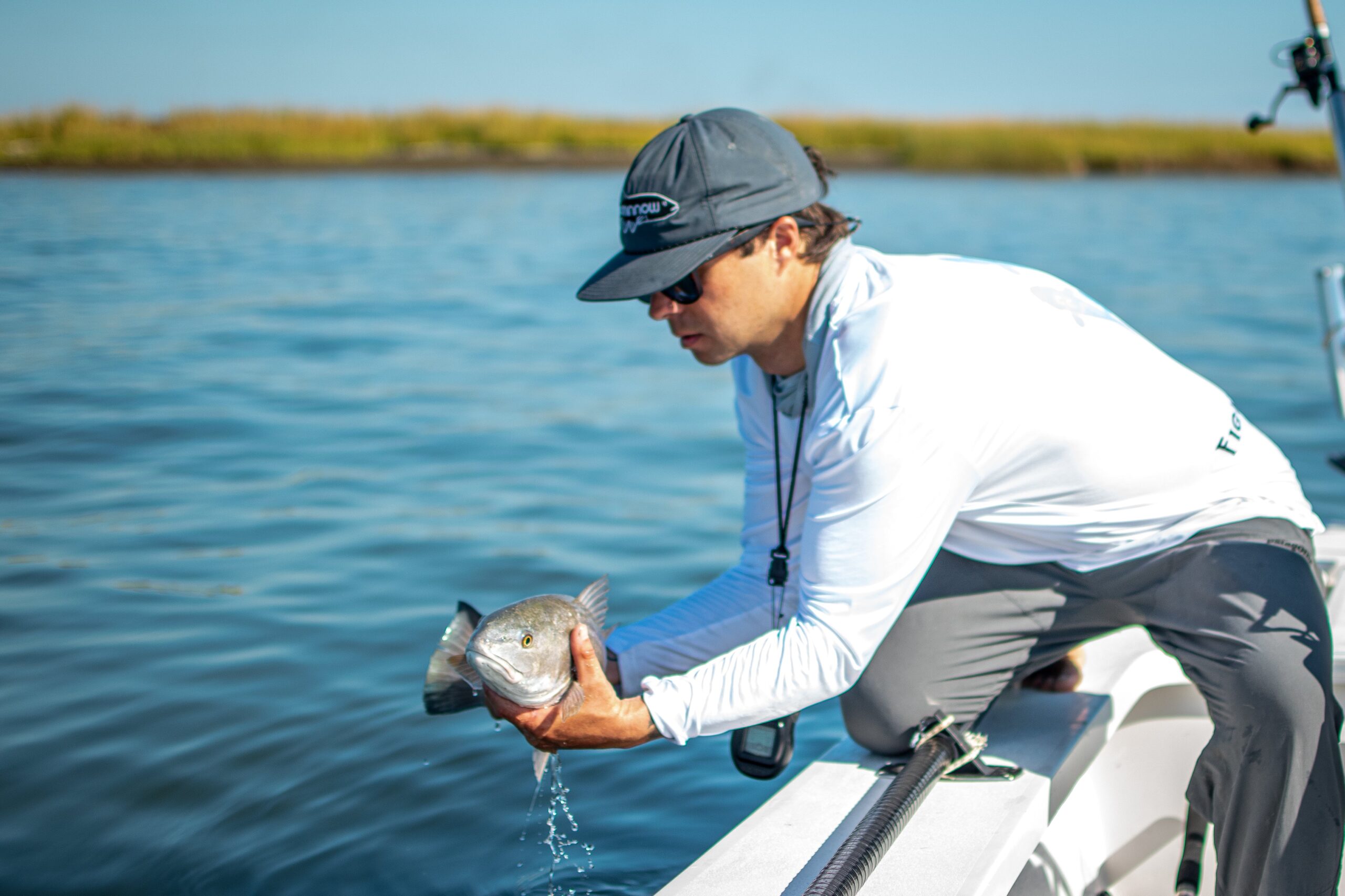
Catch and release fishing is a fishing technique where fish that are caught are quickly released back into the water. This method has become increasingly popular among recreational anglers as a way to conserve fish populations and promote sustainable fishing practices. There are several reasons why catch and release fishing is generally considered to be a non-harmful fishing method:

  1. Fish survival rates: Research has shown that many fish caught and released in freshwater and saltwater environments have high survival rates, especially when properly handled and released quickly. For example, studies have found that the survival rates of largemouth bass and trout caught and released were greater than 90% in most cases.

  2. Reduced fishing pressure: Catch and release fishing can help reduce fishing pressure on fish populations by allowing fish to be caught and released without being kept. This helps maintain the fish population and prevent overfishing, especially in areas where fish populations are at risk.

  3. Improved fishing quality: Catch and release fishing can help improve the quality of fishing by promoting larger and healthier fish populations. By releasing larger fish, anglers can help ensure that these fish have the opportunity to continue growing and reproducing, which can lead to healthier fish populations over time.

  4. Sustainable fishing practices: Catch and release fishing is a sustainable fishing practice that can help promote the long-term health of fish populations and ecosystems. By using this method, anglers can help ensure that fish populations are not depleted, which is essential for the long-term viability of the fishing industry.

However, it is important to note that catch and release fishing can be harmful if fish are not properly handled and released quickly. Fish that are mishandled, kept out of the water too long, or released in water that is too warm or too low in oxygen can experience stress, injury, or mortality. Therefore, it is important for anglers to use proper catch and release techniques, such as using barbless hooks, keeping fish in the water as much as possible, and releasing fish quickly and gently.

In summary, catch and release fishing is generally considered to be a non-harmful fishing method that can promote sustainable fishing practices and help maintain healthy fish populations. However, proper techniques and care must be used to ensure that fish are released quickly and with minimal harm.

Posted on

The Importance of Sustainable Fishing Practices to Sport Fisherman

The Importance of Sustainable Fishing Practices to Sport Fisherman

Sustainable fishing practices are essential to sport fishermen because they ensure the long-term health and viability of fish populations, which are the basis of the recreational fishing industry.

Sport fishing is a popular activity that attracts millions of anglers each year. It is a significant source of revenue for many coastal communities and contributes to the economy through tourism, equipment sales, and other related industries. However, unsustainable fishing practices, such as overfishing, habitat destruction, and bycatch, can have negative impacts on fish populations and threaten the future of the sport fishing industry.

By practicing sustainable fishing techniques, such as catch-and-release fishing, using barbless hooks, and following size and bag limits, sport fishermen can help preserve fish populations for future generations. Sustainable fishing practices also help ensure that fish populations remain healthy and abundant, providing recreational opportunities for anglers and supporting the recreational fishing industry.

Furthermore, sport fishermen are often conservation-minded and recognize the importance of preserving natural resources for future generations. Sustainable fishing practices not only help preserve fish populations but also support healthy ecosystems, which are essential for maintaining biodiversity and providing a range of benefits, including clean water and recreation opportunities.

In summary, sustainable fishing practices are vital to sport fishermen because they ensure the long-term viability of fish populations and the recreational fishing industry while promoting conservation and environmental sustainability.