
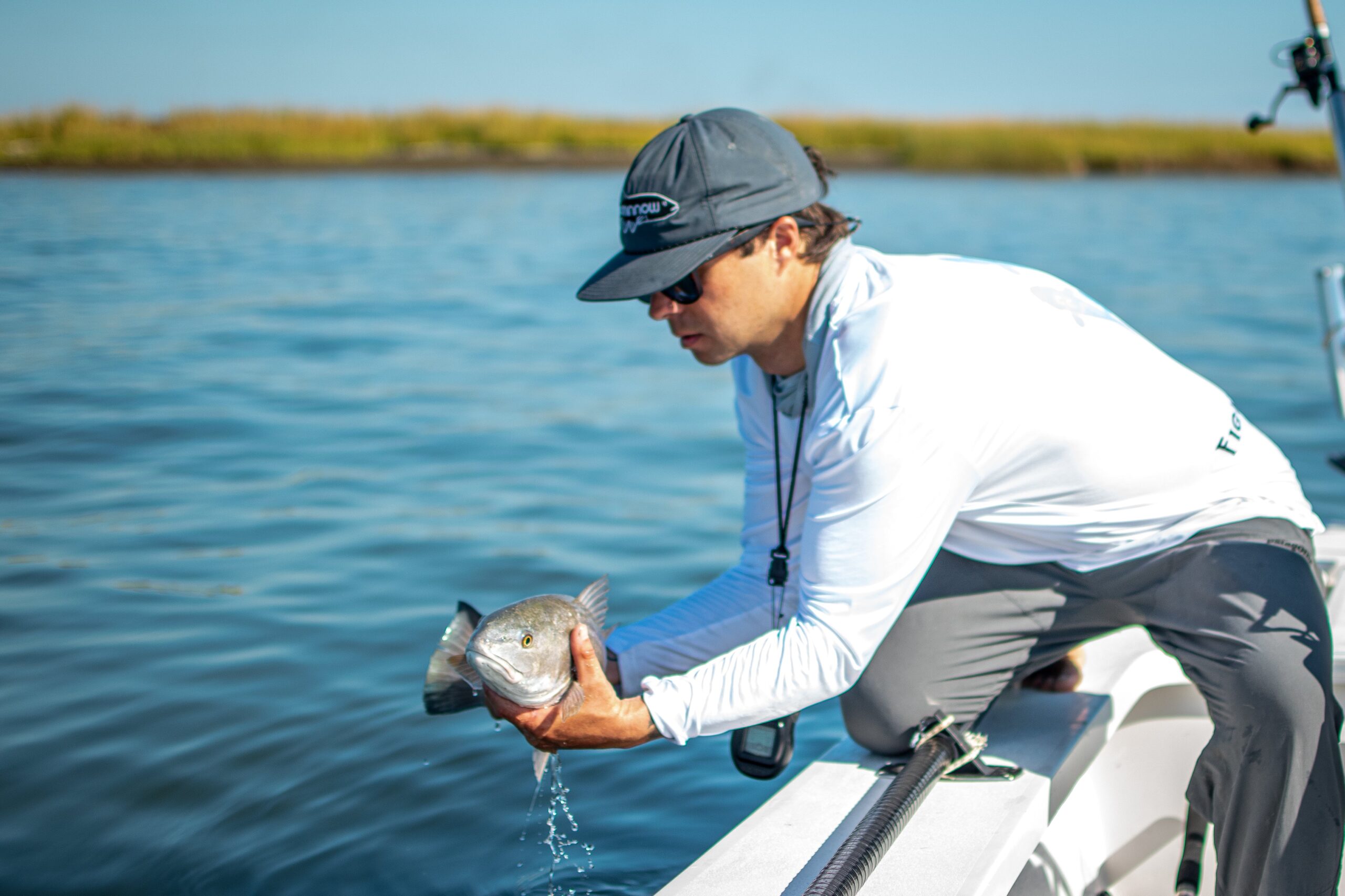
Catch and release fishing is a fishing technique where fish that are caught are quickly released back into the water. This method has become increasingly popular among recreational anglers as a way to conserve fish populations and promote sustainable fishing practices. There are several reasons why catch and release fishing is generally considered to be a non-harmful fishing method:
-
Fish survival rates: Research has shown that many fish caught and released in freshwater and saltwater environments have high survival rates, especially when properly handled and released quickly. For example, studies have found that the survival rates of largemouth bass and trout caught and released were greater than 90% in most cases.
-
Reduced fishing pressure: Catch and release fishing can help reduce fishing pressure on fish populations by allowing fish to be caught and released without being kept. This helps maintain the fish population and prevent overfishing, especially in areas where fish populations are at risk.
-
Improved fishing quality: Catch and release fishing can help improve the quality of fishing by promoting larger and healthier fish populations. By releasing larger fish, anglers can help ensure that these fish have the opportunity to continue growing and reproducing, which can lead to healthier fish populations over time.
-
Sustainable fishing practices: Catch and release fishing is a sustainable fishing practice that can help promote the long-term health of fish populations and ecosystems. By using this method, anglers can help ensure that fish populations are not depleted, which is essential for the long-term viability of the fishing industry.
However, it is important to note that catch and release fishing can be harmful if fish are not properly handled and released quickly. Fish that are mishandled, kept out of the water too long, or released in water that is too warm or too low in oxygen can experience stress, injury, or mortality. Therefore, it is important for anglers to use proper catch and release techniques, such as using barbless hooks, keeping fish in the water as much as possible, and releasing fish quickly and gently.
In summary, catch and release fishing is generally considered to be a non-harmful fishing method that can promote sustainable fishing practices and help maintain healthy fish populations. However, proper techniques and care must be used to ensure that fish are released quickly and with minimal harm.